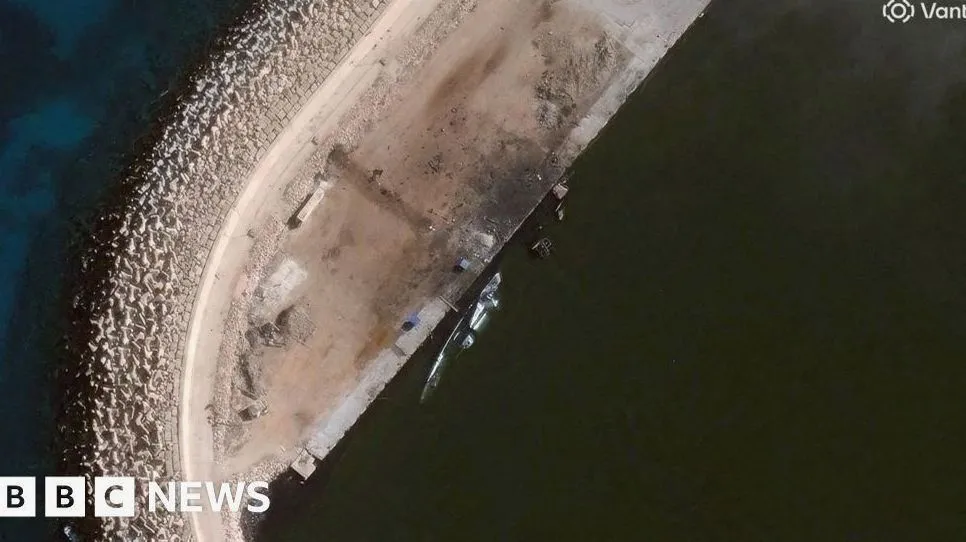
The captain of the Russian corvette Merkury likely felt secure anchored in a Mediterranean harbor nearly two thousand miles from Moscow, but that sense of safety proved illusory. In a daring nighttime raid coordinated by Ukraine’s SBU intelligence agency and its armed forces, the vessel was struck in Benghazi, signaling a provocative expansion of the conflict. While President Volodymyr Zelensky praised the move as an exemplary operation, the Kremlin has denounced it as a dangerous escalation. This strike serves as a stark reminder that the geography of the war is shifting, moving far beyond the trenches of Eastern Europe into traditionally neutral territories.
This operation is not an isolated incident but rather part of a broader strategy termed long range sanctions by Kyiv. From striking oil terminals in the Baltics to deploying swarms of drones against strategic nuclear bombers deep within Siberia via modified trucks, Ukraine is increasingly taking the fight to Russian assets globally. Similar activity has surfaced across Africa, where Ukrainian forces have targeted members of the Africa Corps, the successor to the notorious Wagner Group. However, these bold maneuvers carry significant diplomatic risks; UN missions in Libya have expressed deep concern over the breach of sovereignty in a nation that remains officially uninvolved in the hostilities.
Beyond North Africa, the friction between Russia and Western allies is intensifying through a series of hybrid warfare tactics. NATO members like Poland and Romania have dealt with stray munitions and encroaching drones, leading some leaders to view these events as deliberate provocations designed to probe alliance defenses. Meanwhile, Estonia, Latvia, and Lithuania remain on high alert following mysterious attacks on military industrial sites attributed to Moscow’s agents. These gray zone conflicts include everything from cyberattacks to suspicious parcels sent across Europe and drone sightings at German airports used for logistics hubs.
As the conflict enters another year, the international community faces a precarious dilemma regarding deterrence and retaliation. With Russia already under heavy sanctions and European energy dependence diminished, few options remain below the threshold of direct military confrontation—an outcome everyone seeks to avoid. Yet as evidenced by the smoking wreckage in Benghazi harbor, neither side seems inclined to keep their ambitions confined to traditional battlefields. The world is now watching to see if this sets a precedent where no port or border is truly off limits.