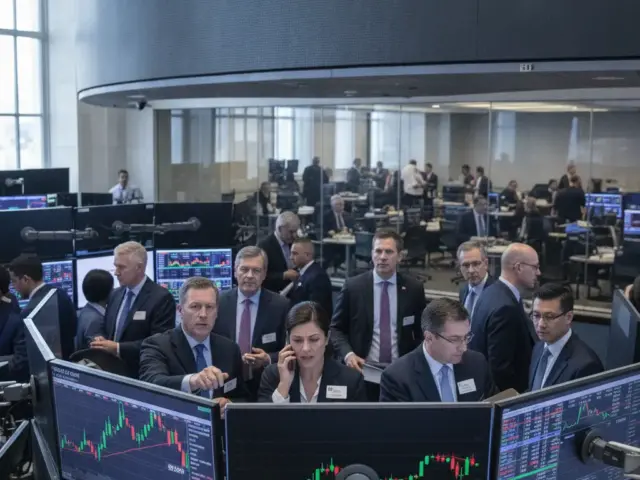
The recent sweep of Democratic victories across Congress and various state capitals is proving to be more than just a political shift; it is creating a complex new roadmap for Wall Street. While the results signal a pivot in power, many analysts believe the most immediate impact will be felt in the booming artificial intelligence sector. There are growing concerns that newly empowered Democratic governors in states like Texas, Georgia, and Michigan could introduce temporary freezes or stricter regulations on data center construction. However, experts from firms like Goldman Sachs and UBS suggest these hurdles are likely to be short lived, noting that strong underlying demand for AI infrastructure should outweigh localized regulatory friction.
Despite the shift in legislative control, investors aren’t expecting a sudden wave of sweeping new laws. Instead, the prevailing sentiment is that a divided government between a Democratic Congress and President Donald Trump will lead to significant gridlock. While this might sound negative to a casual observer, many strategists argue that stalemate is actually beneficial for the stock market. By preventing either party from pushing through extreme partisan agendas or abrupt rule changes, this systemic inertia provides a predictable environment where businesses can operate without fear of radical policy pivots.
The real anxiety for investors lies not in what will happen, but in what might fail to happen regarding basic government functions. With tensions high between the executive and legislative branches, there is an increased risk of dramatic standoffs over the debt ceiling and potential government shutdowns heading into 2027. Analysts warn that such brinkmanship could jeopardize U.S. credit ratings if agreements aren’t reached in time. Coupled with continued high government borrowing and deficit spending, these political frictions are expected to keep bond yields elevated and volatile as the country navigates its fractured leadership landscape.